Key Takeaways
- Cost: a full body lift in Turkey costs $8,900–$12,500, up to 70% less than the US ($30,000–$60,000) and 64% less than the UK ($25,000–$45,000).
- Before surgery: weight stable for 6–12 months and nicotine-free for 4–6 weeks.
- Recovery: early effects are usually minor and manageable; plan 6–8 weeks before a long-haul flight home.
- Your surgeon should be board-certified and operate in a JCI-accredited hospital with on-site intensive care.
- Incisions are placed low so scars can stay concealed under clothing.
- You may arrange dedicated medical-travel insurance before your trip.
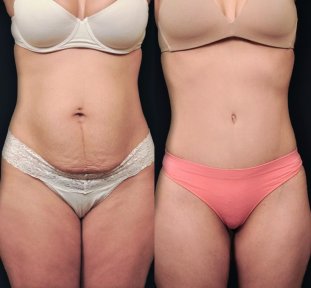
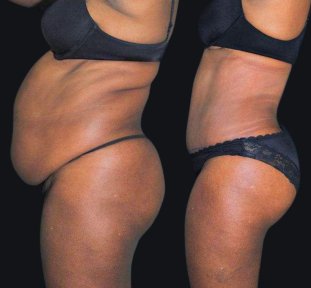
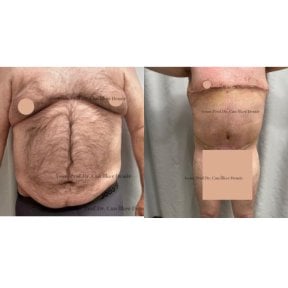
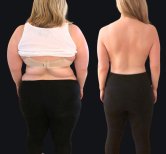
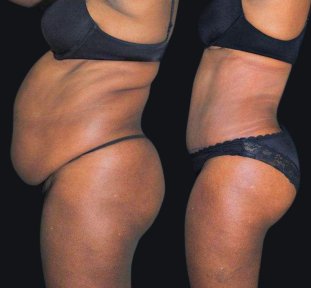
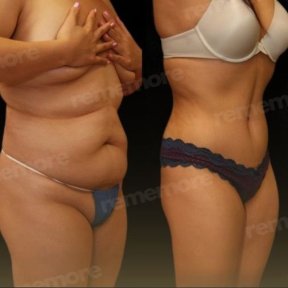
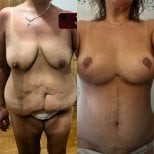
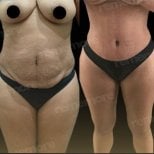
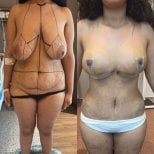
Bookimed has handled more than 1,000 full body lift requests, and Turkey draws more of them than any other country. The appeal is concrete: JCI-accredited Istanbul hospitals, board-certified surgeons, and prices well below US or UK figures. A full body lift after major weight loss involves extensive reshaping around the torso, so preparation, surgery, and recovery all need to be planned together.
Are You Ready for a Full Body Lift? Candidacy and Preparation
Good preparation is an important part of skin-removal surgery in Turkey.
Is skin-removal surgery right for you?
After significant weight loss, including following bariatric surgery, loose excess skin may remain around the abdomen, arms, thighs, or other areas. A surgeon will assess your overall health, weight stability, and expectations before recommending the appropriate procedure. Bookimed reviews frequently praise surgeons who are clear about what surgery can and cannot achieve.
Weight, BMI and nutrition checklist
Three checks decide whether your body is ready:
- Weight stability: your weight should hold steady for at least 3–4 months, with under 1–2 lbs of change a month. Operating during ongoing weight loss lets the loose skin return.
- A higher body-mass index (BMI) raises the chance of wound-healing problems. Mayo Clinic lists a BMI above 32 as one reason a healthcare professional might advise against a buttock lift.
- After bariatric surgery, patients frequently run low on key micronutrients like vitamin D, vitamin B12, and iron. Assessing and monitoring these nutrient deficiencies prior to any subsequent procedure is essential to ensure the body is fully equipped to support healthy recovery and tissue healing.
Nicotine and weight-loss medications
Stop smoking and all nicotine 4–6 weeks before and after surgery. Nicotine narrows the tiny blood vessels that heal your skin. Some clinics confirm you've quit with a simple urine test. It checks for cotinine, a marker the body makes from nicotine.
If you take a GLP-1 medication such as Ozempic or Wegovy, pause it about 2–3 weeks before general anesthesia. It slows stomach emptying, so follow your surgeon's instructions. Turkish packages build this in: the Istanbul Aesthetic Plastic Surgery Center 360 package includes blood tests and consultations with the surgeon and the anesthesiologist.
Full Body Lift Recovery: What to Expect
After a full body lift, most side effects are minor and manageable. A pooled analysis of 28 studies covering more than 1,300 patients found an overall complication rate of about 37%, with most involving minor wound-healing issues.
A closer look at recovery effects
Looking at the individual effects, most occur in a relatively small share of patients:
- wound separation: around 17% of cases, usually minor and closed with simple dressings;
- fluid under the skin: a seroma in about 13%, drained in the clinic;
- infection: roughly 5%, cleared with antibiotics;
- slow skin healing in about 4%;
- bruising and blood clots, about 3% each.
What influences recovery
Recovery is influenced by several factors, including your highest and pre-operative weight, how much weight you lost, and smoking. Smoking has a particularly strong effect on healing, which is why surgeons recommend stopping nicotine before surgery.
Round-the-clock nursing is the most repeated praise in Bookimed body-lift reviews. JCI-accredited partner hospitals have more than 30 beds and on-site intensive-care facilities, providing access to higher-level care if needed. For example, Memorial Şişli has 267 beds and on-site intensive care; Hisar Hospital Intercontinental has 270.
When Can You Safely Fly Home? Recovery Timeline and Clot Prevention
Give yourself enough time to recover before flying home. Because the operation reaches across the whole waistline, your fitness to fly depends on wound healing and clot risk. It isn't a fixed number of days. Turkish packages on Bookimed typically bundle a 1–2 night hospital stay plus 6–8 nights in a hotel. Treat that week as the start of recovery, and confirm your fly-home date with the surgeon.
How long to stay before flying
Use these windows as your guide:
- Short-haul flights need roughly 3–4 weeks after a body lift or tummy tuck.
- Long-haul flight home to the US or UK: about 6–8 weeks, since a transoceanic flight keeps you immobile far longer.
- Drains come out first. Never fly while surgical drains are still in; wait until they and your incisions are fully cleared.
Timing matters. After surgery, you move less, and a plane's low cabin pressure and dry air add to that. Together, they raise the risk of a blood clot in the leg or lung, known as a deep-vein thrombosis (DVT). That risk peaks in the first 2 weeks and stays raised for 4–6 weeks. Because an early clot can develop quietly, the simple in-flight habits below keep the risk low.
Your in-flight clot-prevention checklist
On the flight, a few simple habits help:
- compression: wear graduated compression stockings for the whole flight;
- movement: walk or flex your calves every 45–60 minutes;
- keep drinking water and skip alcohol;
- choose an aisle seat so it's easy to get up;
- medication: follow any blood-thinner plan your surgeon prescribes, and never fly against a written restriction.
How to Choose a Qualified Surgeon and Accredited Hospital in Turkey
British and Turkish plastic surgeons (BAAPS and TSPRAS) set out joint guidance on what to look for when choosing a surgeon and hospital. Bookimed's partner surgeons are chosen against the same criteria.
| Check | What to look for | Why it matters for you |
|---|
| The surgeon's specialty | A recognized plastic-surgery specialist with at least 5 years in the field | Experience with this exact operation adds relevant surgical expertise |
| Board certification | European Board (EBOPRAS) or national board certification | Confirms training assessed to international standards |
| The hospital | Fully licensed, on-site ICU, at least 30 beds, JCI-accredited | Provides appropriate facilities for a complex procedure |
| Health-tourism license | Ministry of Health International Health Tourism Authorization Certificate | Marks a facility cleared to treat international patients |
| Consent | A full written consent form completed before you travel | Gives you time to review the procedure and make an informed decision |
Choosing your surgeon
Bookimed's partner surgeons have at least five years of specialist experience in the field. Dr. Salih Onur Basat and Dr. Derya Bingol both hold certification from the European Board of Plastic Surgery (EBOPRAS). Dr. Hakan Bulam is a Fellow of the same board. He's also a member of the International Society of Aesthetic Plastic Surgery (ISAPS). Dr. Leyla Arvas is an active ISAPS member. Bookimed's coordinators can also help you set up a consultation with the operating surgeon before you travel.
Choosing the hospital
For an operation of this scale, a fully licensed hospital with on-site intensive care is an important consideration. For example, Lokman Hekim Istanbul Hospital (200 beds, JCI-accredited and ISO 9001 certified) and Memorial Şişli both meet these criteria. The Istanbul Aesthetic Plastic Surgery Center holds Turkey's International Health Tourism Authorization Certificate.
Combining or Staging Your Full Body Contouring
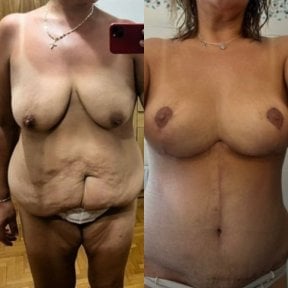
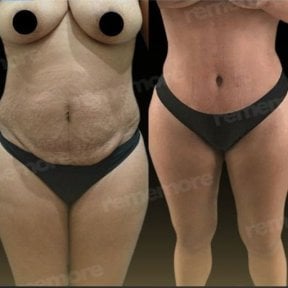
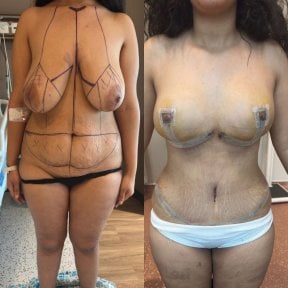
Most people planning a full body lift in Turkey want several areas treated in one trip: abdomen, hips, buttocks, thighs, arms, and often a breast lift. Doing it together saves travel and cost, and it's the most common request Bookimed receives for this operation. Whether it happens in one operation or several depends on the extent of the procedures and the surgeon's assessment.
Combine or stage?
Treating more than three areas in one session lengthens the operation. A 360-degree lift alone can run 5–7 hours, and it raises the chance of a transfusion and a longer hospital stay. A common staging plan does the lower body or belt lift first. Breast, chest, and arm procedures often follow about 6 months later, with the inner-thigh lift typically performed afterward.
Patient-reported outcomes also show substantial improvement. The BODY-Q, a validated questionnaire that measures body image and satisfaction after body-contouring surgery, rose from roughly 37–39 before surgery to around 80 out of 100 one year later. These results reflect the broader improvement in body contour and body image reported after staged procedures. That's why surgeons plan in stages rather than promise everything at once.
What it costs to add procedures
The full body lift itself runs $8,900–$12,500 in Turkey. A combined package such as Full Body Lift with Tummy Tuck at Memorial Ankara Hospital is priced at $11,600. Staged separately, typical Turkey prices are:
| Procedure | Typical Turkey price |
|---|
| Tummy tuck | $5,500–$6,000 |
| Arm lift | $4,300–$4,700 |
| Thigh lift | $5,800–$9,000 |
| Buttock lift | $3,000–$4,300 |
| Lower body lift | $2,500–$5,700 |
| Back lift | $2,000–$4,600 |
Healing, Aftercare, and Travel Insurance
Incisions are carefully planned around the body's natural contours. Knowing their expected location helps you prepare for recovery.
Scars and scar care
Two things to know about the scars:
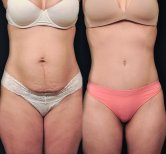
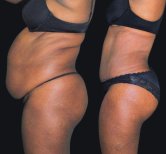
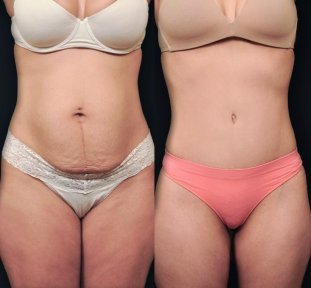
- Scar placement: a 360-degree lift leaves one continuous low scar around the waistline: lower tummy, hips, and lower back. An arm lift adds one from the armpit toward the inner elbow. Scars are permanent, but they sit low and stay hidden under clothing.
- Healing scars darken easily in sunlight for about 12 months, so keep them covered and use broad-spectrum SPF 50 daily.
Bookimed reviewers often note how neat and well-hidden the scars looked early on. One Bookimed patient who had a 360-degree lift in Istanbul wrote 11 days after surgery: "I saw my scars and honestly I have worse stretch marks."
Recovery guidelines
A few simple rules protect healing:
- Water and heat: avoid pools, the sea, baths, and hot tubs for 4–6 weeks, and saunas, steam rooms, and spas for 6–8 weeks.
- Wear your compression garment exactly as instructed to ease swelling and support healing.
Insurance before you travel
One important point to check before traveling: standard travel insurance usually excludes complications of elective cosmetic surgery, extended stays, and medical evacuation. Clinics like Dr. MED (rated 4.9 across more than 200 reviews) provide a full year of aftercare support. Even so, you may benefit from separate travel insurance for your trip.