How it works
We've transformed the clinic search process, making it simple, fast, and personal.
Answer a few questionsTake a short quiz to share your Turbinate reduction goals.
Get personalized offers3 clinics, handpicked based on your answers, provide tailored treatment plans and quotes.
Choose the best optionCompare offers and choose the clinic that suits you best.
You can also browse all 8 clinics below.
820К+ patients have got assistance since 2014
50 countries
1,500 clinics
6K+ reviews
3K+ qualified doctors
How Much Does Turbinate reduction Cost in Turkey?
Turbinate reduction in Turkey typically costs from $1,500 to $2,500. The final price depends on the chosen surgical technique, clinic prestige, and city location. Patients save around 64% compared to the US, where the average cost is $5,500. Standard packages often include the surgical procedure, hospital stay, and local transfers between the airport and clinic.
- Surgical technique: Advanced methods like radiofrequency ablation or endoscopic surgery may increase the base cost.
- Combined procedures: Adding septoplasty for a deviated septum typically increases the total by 20-30%.
- Medical hubs: Istanbul remains the primary destination, while Antalya and Bursa offer highly competitive rates.
- Clinic tier: JCI-accredited facilities often charge a premium for specialized equipment and international patient services.
Bookimed Expert Insight: Choosing a surgeon with high volume is the smartest way to ensure quality. For example, Tayfun Apuhan at Hisar Hospital has performed over 4,000 ENT procedures. Hisar Hospital is JCI-accredited and treats 250,000 patients annually. At Memorial Şişli, the first JCI-accredited hospital in Turkey, packages start around $3,500. This provides elite infrastructure for patients prioritizing established institutional experience.
Key Benefits
- Get turbinate reduction in Turkey at 60-80% less than in the USA and UK.
- Options available: Radiofrequency Ablation, Microdebrider-Assisted Turbinate Reduction, and Coblation® technique.
- Free consultation review by a specialist to determine the most suitable turbinate reduction method for you.
- 100% data protection and confidentiality guarantee.
- Access exclusive deals from reputable Turkish clinics from $3,600.
| Turkey | The UK | The USA | |
| Turbinate reduction | from $1,500 | from $2,500 | from $4,000 |
Data verified by Bookimed as of August 2026, based on patient requests and official quotes from 28 clinics worldwide. Median costs are based on real invoices (2025–2026) and updated monthly. Actual prices may vary.
Turbinate reduction Packages in Turkey — August 2026
Procedure type


4.5
(55 reviews) 18 years of experience
Treatment of Inferior Turbinate Hypertrophy with Radiofrequency / Electrocauterization, Unilateral or Bilateral
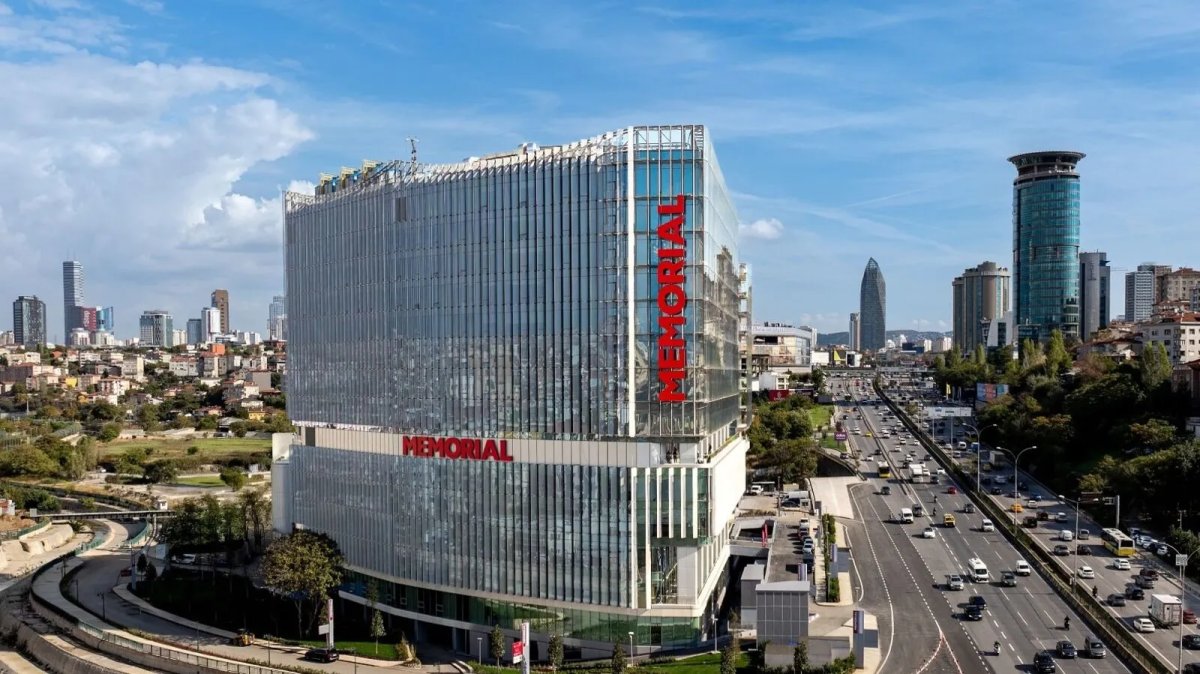
Memorial Ataşehir Hospital holds JCI accreditation and serves international patients from 92 countries. Turbinate reduction surgery may cost around $3,900 – typically covering the procedure itself. The hospital is part of Memorial Healthcare Group with 1.6 million patients treated.
You’ve viewed 2 of 8 packages
Discover the Best Turbinate reduction Clinics in Turkey: 8 Verified Options and Prices
The Bookimed clinic ranking is based on data science algorithms, providing a trusted, transparent, and objective comparison. It takes into account patient demand, review scores (both positive and negative), the frequency of updates to treatment options and prices, response speed, and clinic certifications.
Hisar Hospital Intercontinental
Memorial Şişli Hospital
Ad
Lokman Hekim Istanbul HospitalMemorial Bahçelievler Hospital
Memorial Antalya Hospital
Memorial Antalya Hospital
Turkey, Antalya
Ismail Onder Uysal
27 years of experience
Clinic is certified :
Medical Park Antalya Hospital Complex
Medical Park Antalya Hospital Complex
Turkey, Antalya
Dogukan Aydenizoz
10 years of experience
Clinic is certified :
You’ve viewed 5 of 18 clinics
Turbinate reduction Overview in Turkey
Takeaways
Related procedures & Costs
How it works
What to expect
Benefits
Payment
patients recommend -
85%
Surgery Time - 1 hour
Stay in the country - 3 days
Rehabilitation - 1 day
Anesthesia - Local anesthesia
Requests processed - 110449
Verified patient reviews - 20
Bookimed fees - $0
Types of Turbinate reduction
- Septoplasty (Deviated Septum Surgery) - from $2,548The procedure corrects a deviated septum, improving airflow, decreasing snoring, and supporting a healthy nasal function.
- Balloon sinuplasty - from $2,000The procedure is a non-invasive treatment for sinusitis, using a small balloon to dilate inflamed sinus passages.
- Turbinate reduction - from $1,500The procedure helps alleviate congestion by reshaping nasal structures, improving airflow with less invasiveness and downtime.
- Endoscopic septoplasty - from $2,200This operation corrects deviated septum, improving breathing and sinus issues with minimal incisions and fast recovery.
- Hysteroscopic septoplasty - from $2,200The operation of septoplasty is performed using an endoscope, which allows all manipulations to be carried out through miniature incisions. This procedure can correct a deviated septum and improve nasal breathing.
- Turbinoplasty - from $3,000This therapy reshapes nasal passages to help breathing, improving sleep and reducing snoring.
How to find best offer with Bookimed?
Discover options on the website: deals, clinics, and doctors.
Select your favorites.
Share photos or describe your issue.
Send a request.
Receive free offers for your needs with prices and details.
Compare and finalize your choice.
Book your clinic visit.
Pay at the clinic. Bookimed fees are $0 for you.
From start to finish, the Bookimed coordinator keeps you safe and comfortable during your medical journey.
Day 1 - Arrival
- Check into the designated clinic.
- Complete necessary paperwork for admission.
Day 2 - Pre-operation
- Consult with an otolaryngologist about the procedure.
- Undergo blood tests, imaging studies, and nasal endoscopy.
- Review and discuss the surgery plan.
Day 3 - Operation
- Receive local or general anesthesia.
- Undergo Turbinate reduction procedure (1-2 hours).
- Recovery from anesthesia in a post-anesthesia care unit.
Day 4 - Post-operation
- Stay in the clinic for observation and recovery.
- Receive pain management and care instructions.
Week 1 - Rehabilitation
- Rest and recovery at home.
- Follow the medication and care instructions.
Week 2 - Follow up
- Attend follow-up appointment with otolaryngologist.
- Discuss recovery progress and address any concerns.
Week 3 - Return to regular activities
- Resume work and other light activities.
- Continue to avoid strenuous physical activity.
Week 6 - Full recovery
- Resume all normal activities, including sports.
- Experience the final result of the Turbinate reduction.
Please note that every patient"s recovery journey is individual and the above timeline is a general guide.
100% free, non-binding assessment of your case after photos download.
Instant FREE personalized offers to make the right choice.
Expert guidance in choosing the perfect Plastic Surgery doctor and clinic.
Special packages and exclusive prices for our patients.
24/7 Bookimed guidance at no cost, guaranteed.
Hassle-free translation of your medical documents for clinics.
Multilingual staff — no language barrier with Bookimed coordinator.
Bookimed ensures transparent and secure payments. Patients pay at the clinic with no additional fees.
Available Payment Methods:
How to Secure an Appointment:
1. Documents: Passport and ticket copies.
or
2. Deposit:
- Bookimed deposit: $200 or €200.
- Clinic deposit: Pay a set percentage in advance.
For more information, see our Payment Policy
Our Trusted Doctors
View all Doctorsverified
Cemal Firat
24 years of experience
Specializes in microsurgery and reconstructive surgery – Prof. Firat brings precision to turbinate reduction procedures.
- Professor at Inonu University Faculty of Medicine
- Expert in maxillofacial and aesthetic surgery
- Published research on surgical techniques
- Manages complex tumor and nerve injury cases
verified
Semih Ozcinar
12 years of experience • 4999+ treatments performed
Op. Dr. Semih Özçınar is a plastic, reconstructive, and aesthetic surgeon. He earned his M.D. from Ankara University and completed his plastic surgery residency at İnönü University. He is a member of the International Society of Aesthetic Plastic Surgery (ISAPS).
His scientific work includes an oral presentation at the 2022 National Congress of the Turkish Society of Plastic, Reconstructive and Aesthetic Surgery titled "Retrospective Analysis of Regional, Free, and Local Flaps in Head and Neck Reconstruction." He also wrote a thesis on the effect of septocolumellar flap use on nasal tip projection in rhinoplasty.
He has completed training in ISAPS Live Surgery Rhinoplasty, the ISAPS World Congress 2022 in Istanbul, Bosphorus Breast Live Surgery, the 9th Rhinoplasty & Facial Aesthetics fresh cadaver course, BTS International Aesthetic in Sweden, and FABCAST meetings. His focus areas are facial aesthetics, breast surgery, body contouring, and reconstruction.
verified
Dogukan Aydenizoz
10 years of experience
Dr. Aydenizoz specializes in turbinate reduction at Medical Park Antalya Hospital, combining ENT expertise with a patient-centered approach.
- 10 years of experience of ENT experience, including functional nasal surgeries
- Trained at Antalya Training and Research Hospital
- Member of the Turkish Facial Plastic Surgery Association
- Offers comprehensive nasal treatments with natural-looking results
verified
Hasbi Meral
11 years of experience
Dr. Hasbi Meral has performed 2,000+ successful plastic surgeries at his practice in Antalya. He is a Fellow of the European Board of Plastic, Reconstructive and Aesthetic Surgery (EBOPRAS). This certification signifies his adherence to high European surgical standards. Dr. Meral specializes in facial rejuvenation, complex rhinoplasty, and body contouring.
- Board-certified by the Turkish Society of Plastic, Reconstructive and Aesthetic Surgeons.
- Holds a specialized certification in reconstructive microsurgery.
- Expertise includes mommy makeovers, breast surgery, and reconstructive surgery for burns.
- Practices at Mert Meral Plastic Surgery, an ESAPS-accredited facility in Turkey.
Video Stories from Bookimed Patients
Oksana
I have fulfilled my dream. Finally, I won't cry about my hair anymore.
Procedure: Hair transplant
Clinic: Dr. MED
Roman
Just 4 days in Turkey, and I'm already home with a new hair.
Procedure: Hair transplant
Clinic: Hair Clinic
Jamie
Bookimed made this medical trip a breeze.
Procedure: Sex reassignment surgery
Clinic: Bangkok Plastic Surgery
Reviews about Bookimed: Discover Patients' Insights
All reviewsYuliya • Rhinoplasty (nose job)
France
Feb 2, 2024
But the calmness and poise of the doctor and his team completely dispelled my doubts
I liked everything overall. Initially, I was very afraid, starting with the flight to another country, the transfer to the hotel and the operation itself. But the calmness and poise of the doctor and his team completely dispelled my doubts. 5 hours after the operation I returned to the hotel. Which is also very good because the hospital ward is the worst for me. Exactly after a week I took off the splint, my nose was still swollen. The nose is proportional to my face. When the swelling goes down it will be smaller
Igor' Kovtun • Rhinoplasty (nose job)
Poland
Apr 12, 2024
To say that I was shocked by the doctor's approach to treatment is to say nothing. My impressions to you, just do not wish to experience. The operation was agreed in advance counselling and my wishes. The day of the operation came.
In the morning I was picked up from the hotel and with an interpreter, I went through all the analyses. On the question when I will have a meeting with the doctor I was told at 9 am then I pointed out that I am allergic to one drug. But they wouldn't give me any medication before the operation without the doctor's consent. When I was already changed clothes for the operation ( I apologise myself in underwear, in an operating gown ) came the doctor and began to explain to me on his hands that it can not be like this, as I want and he sees it all differently. He began to explain to me with his fingers how it will be. Interrupting the interpreter. The interpreter couldn't keep up with the translation. Hurrying me to make a decision. I replied that I couldn't make a decision without seeing any pictures of what was waiting for me. Then after about an hour of dialogue, the doctor corrected the curvature of my nose on the telephoto in front of me and said here's what awaits you and covered the tip of my nose with his hand. Again we heard my refusal, to which I was told there is no time and I have to make a decision. They told me there was no time and I had to make a decision. My wishes were ignored. What was agreed upon before the operation was changed. My wishes were to correct the curvature and to change and reduce the tip of the nose. The result of the operation is that the curvature was not corrected and the septum remained the same. But the cartilage was grown on the side, which I did not ask for at all, and the nose was visually enlarged and the tip was corrected. Now I'm just shocked with my appearance to say the least. Everything was done at the discretion of the doctor. He ignored all my wishes. Putting me in front of the fact. Without showing me a single photo of what's in store for me. Explaining it to me on my fingers.
Sara • Septoplasty (Deviated Septum Surgery)
United Kingdom
Jun 20, 2026
Everything went smoothly
My consultation with the surgeon was clearly. He was very honest about the level of breathing improvement I could expect, which I appreciated, and it was reassuring that he personally handled both the initial meeting and my septoplasty with rhinoplasty. I’m still in the early stages of healing, but I'm feeling better than expected. The procedure was done under general anesthesia. The support afterward has been solid; the clinic gave me a clear aftercare guide and the staff has always been easy to reach. It was also a relief that there were no additional expenses beyond what was quoted. Everything went smoothly.
Everything was beyond expectation, from the online support until the day we came back was everything great, no worries about anything, the staff was lovely, the doctor make you feel very comfortable with everything, and translators were really kind. Felt very safe every step of the way.
Anonymous • Male Rhinoplasty
Ukraine
Jun 7, 2026
The surgeon and the clinic staff worked very smoothly and professionally
My main concern was post-operative discomfort, and that’s partly how it turned out: the hardest part wasn’t the pain, but having to breathe through my mouth all the time whilst sleeping. It wasn’t easy. However, it’s only a temporary difficulty. I had open rhinoplasty, and at this stage of recovery, my nasal breathing is already back to how it was before. There is, of course, still some moderate swelling at the tip of my nose, but that is completely normal. The surgeon and the clinic staff worked very smoothly and professionally. Overall, it was a positive experience, and the clinic can be considered a good option.
The coordinator was always available and supported us throughout the entire process, both before and after the operation. Any questions or issues that arose were discussed with a warm welcome and genuine interest. And that really puts you at ease and makes things easier.
Oleksandr • Septoplasty (Deviated Septum Surgery)
Poland
Jun 21, 2024
I am grateful to the team of Bookimed
I can safely advise to interact with Bookimed.com and RHINOPLASTY CLINIC ISTANBUL DIRECTED BY OP. DR. CEM ALTINDAG. Had a septoplasty in Turkey (first surgery ever). Everything is quite efficient and client orientated and organised. Currently still in the process of recovery, but the effect in my case 3 weeks after the operation is there. I am grateful to the team of Bookimed.com and DR. CEM ALTINDAG.
Lolita Pritikovskaya • Rhinoplasty (nose job)
Ukraine
May 17, 2026
I’m very grateful
My biggest worry was that my nose would look unnatural and that the result wouldn’t live up to my expectations. Now, even though I’m still recovering, I can see that I was worrying for nothing. They removed a small bump, and the bridge of my nose is straighter, just as I’d hoped. I’d also like to mention that the tip of my nose now looks more refined. My breathing has improved too. I think ultrasonic piezorhinoplasty was the right choice. The whole team, from the staff to the surgeon, were very attentive and professional, which helped me feel at ease. I’m very grateful.
We loved everything; the organisation was top-notch. A special thank you to our coordinator, Valentina. They helped us sort everything out and were always on hand. Thank you so much 🙏🏻❗️
Asiya Ullah • Rhinoplasty (nose job)
United Kingdom
May 15, 2026
The medical support I received was excellent
My biggest worry was what the final profile would look like, especially after having a significant dorsal hump removed. It’s very early in the recovery process, and my nose bridge is still quite swollen, so I can't really see the new shape of the tip yet. That’s to be expected. However, the surgeon and all the staff have been attentive and clear about the healing timeline, which has been reassuring. The level of care was great. While I’m waiting for the swelling to go down to see the final result, the medical support I received was excellent.
My translator Yaren was very sweet and guided me through everything I needed to know and also booked everything for me so I had no stress. My doctor Mr Mehmet also was very professional and found the internal problems for my breathing issues very quickly. Surgery went well and post operation care was optimal.
Matvei Lessikov • Rhinoplasty (nose job)
Kazakhstan
Apr 21, 2025
Dr Hakan in particular, he was very attentive, friendly and open, explained everything and took care of us
I am grateful to bookmed for helping me choose a clinic. Everything that was promised was fulfilled in full! We were met and organised everything very efficiently in terms of time. The interpreter Akilai was very good, she solved all our queries and questions very quickly and was available 24/7. Dr Hakan - hair transplant and Dr Ibrahim Renoseptoplasty are very competent. I would like to mention Dr Hakan in particular, he was very attentive, friendly and open, explained everything and took care of us...The doctors did a great job and now everything depends on how carefully their recommendations will be followed during the rehabilitation period.
Vladislav • Rhinoplasty (nose job)
Ukraine
May 2, 2026
Even at this stage the tip of my nose looks more refined, and my breathing has improved noticeably compared to before
The surgeon really did take my wishes on board. I had open rhinoplasty to remove a small bump, and even at this stage the tip of my nose looks more refined, and my breathing has improved noticeably compared to before. Of course, recovery is a process. It’s still very early days, and I can see that one side of the bridge of my nose is uneven due to swelling, which is a bit worrying. The staff were generally helpful, although there were occasional minor delays in communication. My main advice to anyone preparing for surgery is to be patient during the recovery period and remember that the final result takes time.
Rositza • Rhinoplasty (nose job)
Jan 26, 2023
"If anyone is looking for one of the best nose surgeons in Istanbul, I highly recommend Dr Cem Altindag
We are very happy that we chose Dr Cem to do septorhinoplasty on my daughter’s nose. I was very impressed with the clinic that contacted us within 5 minutes of our enquiry. We asked to virtually meet Dr Cem and he found the time to do so on the next day! Dr Cem answered all our questions at the meeting and we felt comfortable and confident in him. His wonderful assistant Mohamed was always there to patiently answer many more questions we had regarding surgery, travel, hotel, visas, etc. Our experience in Istanbul has been amazing. We were met at the airport, transferred to the hotel and did the necessary tests on the day of our arrival. The surgery was on the next day and went well. The stay at the hospital was comfortable and the staff was wonderful and caring. Mohamed stayed with us the whole time and was very helpful and supportive. Dr Cem did a fantastic job, he is very professional and skilled, always smiling and caring. The bruising and swelling were minimal. We still have to wait for another 6-12 months before the nose shape settles but from what we see now it looks very natural and nice.
The hotel was clean, quiet and only metres away from shops and restaurants. The staff spoke English and were great. The clinic gave us a gift at the end of our stay – a trip to the main attractions in Istanbul, which was amazing.
From start to finish our experience with Dr Cem and Mohamed has been great. Even now when we are back home, I know that I can rely on Mohamed to answer any questions we may have.
If anyone is looking for one of the best nose surgeons in Istanbul, I highly recommend Dr Cem Altindag. I loved that he only specialises in noses!
About Bookimed service
Yes, I am very impressed with the support provided.
Анна Довженко • Septoplasty (Deviated Septum Surgery)
Germany
Nov 10, 2022
We really liked the boat trip along the Bosphorus, we were only in the 2nd with my husband on a yacht for an hour, we looked at the city from the water, it was very beautiful)))About the Doctor: First, we asked the doctor's opinion about my nose, what he would advise, and his recommendations
Hello! To begin with, I want to say that 95% of everything was as described in the package of our services. But overall, I was satisfied. About the hospital room. I had 1 migration in a ward in a hospital. Everything was at a high level, my husband spent the night with me, next to me on the couch, and I was on a special regulating hospital bed. Very well fed, various mashed soups, yoghurts, buns, rice with meat, and other dishes that are very tasty for hospital food. Brought 3-4 times a day, on trays. I really liked how often the nurses came to see me. Either they brought a compress, then they measured the pressure, then the temperature. It was very nice that they really care about you. We liked the doctor even when we phoned for a familiar place to discuss my nose. This was a couple of weeks before arriving in Istanbul. First, we asked the doctor's opinion about my nose, what he would advise, and his recommendations. They told me what I don’t like about my nose most of all, what needs to be fixed exactly. We asked all our questions, discussed the nose, and came to the decision that the doctor would perform the operation in a closed way without external incisions, which was important for me! Our package. The price included: surgery, anesthesia, operating linen, consultation, medicines after surgery, 6 overnight stays at the hotel with breakfast, 1 night in the hospital, a boat trip along the Bosphorus, transfer everywhere. We really liked the boat trip along the Bosphorus, we were only in the 2nd with my husband on a yacht for an hour, we looked at the city from the water, it was very beautiful))) The doctor sent a bouquet of flowers, after the operation, I was very pleased! We were always taken by car, airport, hotel, hospital, doctor's practice. The hotel is good, 6 transfers were included in the price of our package. So far, I can’t give a 100% review about the nose, but in a month you will already see how the nose looks. In the meantime, I just got turundas, and I go with a fixative and plasters. I look forward to when I can already examine my nose, and when the swelling, bruises subside and I can breathe. I am glad that I chose this clinic, this doctor and decided to take this step. It was the most difficult, and the operation went quickly. More afraid than they did. Thank you for the good level of qualification of the doctor, for the good service and attitude towards customers.
About Bookimed service
Yes!!!
Dmitry Kamaev • Septoplasty (Deviated Septum Surgery)
Montenegro
Apr 29, 2025
There were even small bonuses, a present from the doctor, which left an extremely favourable impression
Everything went perfectly, in accordance with the pre-announced offer. There were even small bonuses, a free meal in the café and a present from the doctor, which left an extremely favourable impression. I can recommend this clinic and doctor!
About Bookimed service
Absolutely positive experience, the consultant-Christina was very attentive and polite, always tried to answer all questions and help. To be honest, I didn't expect everything to go so smoothly. I will recommend this service to my friends if anyone needs medical services in other countries.
Paula Ollrid • Septoplasty (Deviated Septum Surgery)
United Kingdom
Mar 13, 2026
I cannot put into words how amazed I am at the results of my surgery & what it has done for me, it has literally given me my life back
The whole experience from the initial contact with bookimed & Zekra my medical coordinator was fantastic, the care, support & attention to every question asked was faultless. When I was connected to the Lokman Hekim hospital and Dr Yaman I then had a video call with him aided by the interpreter Ismail where my surgery was discussed in detail. Upon arrival in Istanbul we were met by our transfer & taken directly to the hospital where we were met by Ismail who helped us get booked in & settled, I then had various pre op tests ready for surgery the next morning. The hospital room was like a luxury hotel room & immaculately clean. The morning of my surgery I met the doctor who was a lovely, friendly man & put me at ease immediately, the after care after the surgery was excellent & the medical staff were amazing. The following day we were taken to our hotel which for 3 nights were included in the price, we decided to stay for an extra 5 nights, the hotel was lovely & the staff were very accommodating & helpful. I had various visits to the hospital who provided transport to & from the hotel & every visit we were met at the door by Ismail & taken to see Dr Yaman. I had one last appointment with him on the morning we were flying home when the stitches were removed, we were then taken to the airport. I cannot put into words how amazed I am at the results of my surgery & what it has done for me, it has literally given me my life back. I can’t praise the whole experience enough & I am so grateful to Zekra, Ismail & especially Dr Yaman.
The whole experience from landing in Istanbul to the transfer back to the airport
About Bookimed service
I initially contacted them just to inquire about the surgery I needed & immediately received a response from Zekra my medical coordinator, she gave me every bit of information I needed & assisted me with booking everything, excellent service, would highly recommend.
Аleksandr • Septoplasty (Deviated Septum Surgery)
Poland
Oct 14, 2023
Money down the drain. The operation was “done”, the nose did not breathe before the operation, and still does not breathe after, although the emphasis was placed on this. I, as a mother, really asked. If the doctor is not competent in this matter, I believe that there was no need to take on this matter.
About Bookimed service
I have nothing to thank for. We spent 1000 euros on a plane there and back, + 1550 euros for the operation. The result is zero.... This is tough...
Vee • Septoplasty (Deviated Septum Surgery)
United Kingdom
Nov 20, 2025
I recently underwent a procedure for my deviated septum, and I am beyond thrilled with the results!
I recently underwent a procedure for my deviated septum, and I am beyond thrilled with the results! I can finally breathe with ease, and the whole experience has been life-changing. The surgeon was absolutely amazing—so humble, professional, and incredibly skilled. The results speak for themselves, and I’m so grateful for the excellent job he did.
I also want to highlight the fantastic support from Bookimed and their team. Maria, my coordinator, was exceptional. She was attentive, responsive, and made sure everything went smoothly from start to finish. The entire process was seamless, and I felt well taken care of every step of the way.
Hisar Hospital was another highlight—clean, modern, and with a team of incredible nurses and staff who made sure I was comfortable and well-informed throughout my recovery. I could not have asked for a better experience.
Bookimed is super reliable, and I highly recommend their services. If you’re considering this procedure, don't hesitate to reach out to them. From start to finish, everything exceeded my expectations, and I couldn’t be happier with the results!
Everything
Nothing at all
About Bookimed service
I recently underwent a procedure for my deviated septum, and I am beyond thrilled with the results! I can finally breathe with ease, and the whole experience has been life-changing. The surgeon was absolutely amazing—so humble, professional, and incredibly skilled. The results speak for themselves, and I’m so grateful for the excellent job he did.
I also want to highlight the fantastic support from Bookimed and their team. Maria, my coordinator, was exceptional. She was attentive, responsive, and made sure everything went smoothly from start to finish. The entire process was seamless, and I felt well taken care of every step of the way.
Hisar Hospital was another highlight—clean, modern, and with a team of incredible nurses and staff who made sure I was comfortable and well-informed throughout my recovery. I could not have asked for a better experience.
Bookimed is super reliable, and I highly recommend their services. If you’re considering this procedure, don't hesitate to reach out to them. From start to finish, everything exceeded my expectations, and I couldn’t be happier with the results!
Share this content
Updated: 05/02/2026
Authored by
Anna Leonova
Anna Leonova
Head of Content Marketing Team
A certified medical writer with 10+ years of experience, developed Bookimed’s trusted content, backed by a Master’s in Philology and medical expert interviews worldwide.
Reviewed by Bookimed Medical Advisor
Fahad Mawlood
Medical Editor & Data Scientist
General practitioner. Winner of 4 scientific awards. Served in Western Asia. Former Team Leader of a medical team supporting Arabic-speaking patients. Now responsible for data processing and medical content accuracy.
Fahad Mawlood LinkedinThis page may feature information relating to various medical conditions, treatments, and healthcare services available in different countries. Please be advised that the content is provided for informational purposes only and should not be construed as medical advice or guidance. Please consult with your doctor or a qualified medical professional before starting or changing medical treatment.
FAQ about Turbinate reduction in Turkey
These FAQs come from real patients seeking medical assistance through Bookimed. Answers are given by experienced medical coordinators and trusted clinic representatives.
Is turbinate reduction surgery in Turkey safe?
Turbinate reduction surgery in Turkey is safe when performed by board-certified otorhinolaryngologists in Joint Commission International accredited hospitals. Turkish clinics specialize in minimally invasive techniques like radiofrequency ablation and endoscopic reduction. These methods prioritize functional breathing while maintaining a high safety profile for international patients.
- Surgeon expertise: Specialists like Tayfun Apuhan have performed over 4,000 successful ENT procedures.
- Clinical standards: Top facilities like Hisar Hospital Intercontinental maintain prestigious Joint Commission International accreditation.
- Advanced technology: Surgeons utilize modern endoscopic systems and radiofrequency energy for precise tissue reduction.
- Regulatory oversight: All health tourism clinics must hold official Turkish Ministry of Health authorization.
Bookimed Expert Insight: While many seek the lowest price, the safest outcomes in Turkey come from surgeons focusing on conservative submucosal techniques. Data shows experienced specialists at clinics like Memorial Sisli prioritize tissue preservation over aggressive removal. This approach significantly reduces the long-term risk of nasal dryness or empty nose syndrome.
Patient Consensus: Patients emphasize choosing surgeons who focus on functional breathing rather than just dramatic physical changes. Successful recovery relies on confirming the surgeon uses modern, partial reduction methods rather than total tissue removal.
What are the potential risks and complications of turbinate reduction?
Turbinate reduction is a safe procedure with high success rates, though potential complications include nasal bleeding, temporary congestion, and crusting during the initial recovery. Rare long-term risks include empty nose syndrome from over-reduction, scar tissue adhesions, or chronic nasal dryness requiring consistent specialized post-operative care.
- Nasal bleeding: Minor blood-tinged discharge typically occurs for 2–3 days following the surgery.
- Crusting and scabbing: Nasal lining healing often involves crust formation for 3–4 weeks post-op.
- Empty nose syndrome: Rare condition where over-aggressive reduction causes paradoxical obstruction and severe dryness.
- Tissue regrowth: Enlarged tissue may return if underlying allergies are not managed effectively.
- Septal perforation: A small hole in the septum can cause whistling or bleeding.
Bookimed Expert Insight: While many choose turbinate reduction for immediate relief, our data shows patients often combine it with septoplasty. For example, Dr. Tayfun Apuhan at Hisar Hospital has performed 4,000+ ENT procedures. Choosing an ultra-experienced surgeon minimizes the risk of over-reduction, which is the primary cause of long-term dryness.
Patient Consensus: Many patients find that heavy crusting lasts longer than expected, often up to 4 weeks. They emphasize that saline rinses and using a humidifier daily are non-negotiable for a comfortable recovery.
What techniques are used for turbinate reduction in Turkey?
Turkish ENT specialists utilize modern techniques like radiofrequency ablation (RFA), microdebrider-assisted turbinoplasty, and endoscopic reduction to treat nasal obstruction. These minimally invasive methods focus on shrinking enlarged turbinate tissue while preserving the mucosal lining responsible for humidifying and warming inhaled air.
- Radiofrequency ablation: Uses thermal energy to shrink tissue through controlled internal scarring.
- Microdebrider-assisted reduction: A rotating powered tool precisely shaves away excess soft tissue.
- Endoscopic turbinoplasty: High-definition cameras allow surgeons to precisely reposition or remove bone.
- Laser turbinate surgery: Offers quick volume reduction but may cause more postoperative crusting.
- Coblations technology: Uses low-temperature radiofrequency to dissolve tissue with minimal heat damage.
Bookimed Expert Insight: While many providers lead with radiofrequency ablation for its 15-minute convenience, experienced surgeons like Dr. Tayfun Apuhan at Hisar Hospital Intercontinental often favor endoscopic techniques. Our data shows high-volume specialists with 4,000+ procedures prioritize internal tissue removal over surface ablation. This approach frequently yields more durable results for patients with anatomical bone enlargement rather than just soft tissue swelling.
Patient Consensus: Patients emphasize that while initial recovery is fast, you should plan for 2–3 weeks of congestion and crusting. It is vital to confirm whether your obstruction is soft tissue or bone-based to ensure the chosen technique fits your specific anatomy.
How long does recovery take after turbinate reduction?
Recovery after turbinate reduction in Turkey typically allows a return to work within 7 days. Most patients breathe clearly after 2 weeks. Full internal healing and tissue stabilization generally require 2 to 3 months. Minimally invasive techniques like radiofrequency ablation offer even faster initial recovery times.
- Work reentry: Most patients return to desk jobs or school after 4–7 days.
- Physical activity: Avoid strenuous exercise, heavy lifting, or saunas for 3–4 weeks.
- Nasal care: Use saline rinses 3–4 times daily to manage scabbing and crusting.
- Pressure management: Avoid blowing your nose for at least 7 to 14 days.
Bookimed Expert Insight: Choosing a high-volume specialist significantly impacts your recovery trajectory. Surgeons like Tayfun Apuhan at Hisar Hospital Intercontinental have performed over 4,000 ENT procedures. This level of experience often leads to more precise, minimally invasive tissue handling. Precise techniques reduce postoperative swelling and help you achieve final breathing results faster.
Patient Consensus: Expect heavy crusting and internal swelling during the first 2 weeks. Patients emphasize that sleeping propped up on pillows is essential for managing drainage and pressure.
Will the turbinates grow back after surgery?
Turbinates can regrow after surgery, though it is primarily the soft mucosal tissue that enlarges rather than the bone. While long-term relief is common with techniques like radiofrequency ablation, factors such as untreated allergies or chronic inflammation can trigger tissue expansion over several years.
- Tissue vs Bone: Surgical bone removal is permanent, but overlying soft tissue can swell again.
- Growth timeframe: Significant tissue enlargement typically occurs over 2 to 5 years post-procedure.
- Surgical technique: Radiofrequency ablation at clinics like Hisar Hospital Intercontinental preserves functional nasal lining.
- Allergy management: Post-operative use of saline rinses and steroid sprays helps prevent tissue regrowth.
Bookimed Expert Insight: Choosing a high-volume specialist reduces long-term risks significantly. Dr. Tayfun Apuhan at Hisar Hospital Intercontinental has performed over 4,000 ENT procedures, emphasizing conservative endoscopic techniques. Data shows experienced Turkish surgeons prioritize precise tissue reduction to avoid empty nose syndrome while ensuring lasting airflow improvement.
Patient Consensus: Patients report that while breathing remains significantly better than pre-surgery, gradual shifts in congestion may appear after 2 years. Most emphasize that early post-op swelling shouldn't be mistaken for immediate regrowth.
How long should I stay in Turkey after turbinate reduction?
Patients should plan to stay in Turkey for 7 to 10 days after turbinate reduction. This timeframe allows surgeons at JCI-accredited facilities like Hisar Hospital Intercontinental to monitor initial healing, manage peak swelling, and provide necessary medical clearance for safe air travel home.
- Hospital stay: Most procedures require a 24-hour observation period for monitoring immediate post-operative recovery.
- Peak recovery: Discomfort and internal nasal swelling typically peak between days 3 and 5.
- Follow-up visit: Surgeons usually schedule a critical check-in around day 7 to remove packing.
- Flight clearance: International patients must receive a formal medical permit before boarding long-haul flights.
Bookimed Expert Insight: While basic recovery takes a week, booking a 10-day stay is the professional standard for safety. Data shows top surgeons like Dr. Tayfun Apuhan, who has performed 4,000+ ENT procedures, emphasize this window to minimize nosebleed risks caused by cabin pressure changes during the return flight.
Patient Consensus: Patients frequently report that days 3 through 5 are the most challenging for congestion. Those who stayed at least 10 days felt significantly more comfortable managing ear and sinus pressure during their flight home.
Can turbinate reduction be combined with other nasal surgeries?
Turbinate reduction is frequently combined with other nasal surgeries in Turkey to maximize breathing efficiency. Surgeons often perform it alongside septoplasty to correct a deviated septum or functional rhinoplasty for external reshaping. These combinations address multiple anatomical blockages during a single anesthesia session within JCI-accredited facilities.
- Septoplasty combination: The most common pairing for treating a blocked airway.
- Rhinoplasty integration: Addresses internal breathing issues while simultaneously reshaping the nose.
- Sinus surgery: Endoscopic sinus surgery often includes turbinate reduction for chronic sinusitis.
- Nasal valve repair: Strengthens nasal structures to prevent collapse during deep inhalation.
- Recovery impact: Combined procedures may extend initial swelling recovery to 2–3 weeks.
Bookimed Expert Insight: Data from Turkish clinics like Hisar Hospital shows a preference for the endoscopic approach. This technique is often bundled into all-inclusive packages. Choosing a surgeon like Dr. Tayfun Apuhan, with 4,000+ ENT procedures, ensures experience in managing complex, multi-step surgeries. This high volume typically leads to more precise functional outcomes.
Patient Consensus: Patients value the efficiency of a single recovery period despite the initial complexity. Many recommend sleeping upright for 3 weeks to manage the increased swelling from combined procedures.