


A single dental implant costs $700–$1,300 in Thailand against $3,200–$5,800 in the United States. The Thai range starts nearly 80% below the American one. The same implant is $2,700–$4,100 in the United Kingdom and $3,100–$5,400 in Australia.
Since 2003 the Thai government has worked to make the country a global medical hub, and dentistry grew with it. Bangkok International Dental Center holds Joint Commission International accreditation, known as JCI, and ISO 9001 certification. The sections below cover what each procedure costs, and what a Thai dental package includes and excludes. They also cover which cities and clinics to shortlist, and how to sequence the trip.
Key Takeaways
- Saving of nearly 80% on a single implant against the US price, and the same pattern holds across restorative work.
- Dental implant. $700–$1,300 in Thailand against $3,200–$5,800 in the US.
- Veneers. $400–$630 per tooth against $1,200–$2,400.
- All-on-4. $6,000–$10,000 per arch against $25,000–$35,000.
- Packages. Consultation and scans, the treatment, and a follow-up check, with hotel nights and transfers at some clinics.
- Standards. JCI accreditation and ISO 9001 certification at Bangkok International Dental Center.
- Flying home. 72 hours after implants at minimum, two weeks after a sinus lift.
Table of Contents
- Why Take Dental Holidays to Thailand?
- Thailand Dental Costs Compared to Western Countries
- What’s Included in Thai Dental Tourism Packages?
- Flying After Dental Treatment
- Popular Thai Medical Tourism Destinations
- Planning Your Medical Tourism Trip
- Insurance and Financing Options in Thailand
- Frequently Asked Questions
Why Take Dental Holidays to Thailand?

Every reason patients give for choosing Thailand can be checked before a deposit is paid.
Affordable costs
A single implant in Thailand costs $700–$1,300 against $3,200–$5,800 in the United States. That start price is nearly 80% lower. The same pattern holds across restorative work. Veneers run $400–$630 per tooth, and a full arch on four implants is $6,000–$10,000.
Modern facilities and standards
Thai clinics that treat international patients hold credentials a patient can check before booking. Those are Joint Commission International accreditation, ISO 9001 certification, and official Straumann or Ivoclar Vivadent provider status. Bangkok International Dental Center is JCI-accredited and ISO 9001-certified, and works across nine departments with more than 70 dentists. Its on-site laboratory runs CAD/CAM and intra-oral scanning. Every instrument set is packed, sealed, and dated under WHO and AAMI sterilization standards. Smile Signature Dental Clinic mills ceramic crowns in its own CAD/CAM laboratory.
Individual dentists carry their own training record, and the profile pages name it.
- Dr. Preeda Pungpapong, Bangkok International Dental Center. Graduated from Chulalongkorn University and trained further at the University of North Carolina. He belongs to the International Team for Implantology at Straumann.
- Dr. Somkiat Aimplee, Bangkok International Dental Center. Trained in prosthetic and cosmetic dentistry at the Dental College of Georgia in the United States.
- Dr. Tarin Piangsuk, Chiangmai International Dental Clinic. Holds a master’s degree in oral science and a prosthodontics certificate from the University of Iowa.
- Dr. Suphachai Suphangul, SmileBox Dental Clinic. Lectures at Mahidol University and is an Associate Fellow of the American Academy of Implant Dentistry.
The materials side of a quote turns on what goes into the mouth. Is the implant system the manufacturer’s original? And does its lot number go on the treatment record?
Every dentist practicing in Thailand is registered with the Dental Council of Thailand, which licenses the profession nationally. The registration details for the named dentist arrive from the clinic with the treatment plan.
Packages that carry the trip
A Thai dental package usually bundles the consultation and digital scans, the treatment, and a follow-up check. That check comes before the flight home. Hotel nights and transfers between the airport, the hotel, and the clinic come with some of them. The SmileBox Dental Clinic All-on-4 offers include a five-star hotel stay and premium transfers on every leg. Other Thai offers state in writing that accommodation and transfers are excluded. The itemized quote is what settles which one a patient is reading.
Recovery in a top tourist destination
Treatment days are short and the rest of the trip is not. Patients recover on Phuket’s beaches, at Krabi’s cliffs, or on Koh Samui and Koh Phi Phi. Quieter bases such as Pattaya, Hua Hin, and Chiang Mai work too. Chiang Mai has its own smile makeover clinics.
Strong government support
Thailand supports medical travel through its entry rules. Visa-free entry currently runs up to 60 days for most Western passport holders. Patients on a longer course apply for the medical treatment visa instead.
Thailand Dental Costs Compared to Western Countries
The size of the gap changes procedure by procedure. It tracks how much surgical and laboratory time each one carries.
A finished single implant, with the abutment and crown, runs $3,200–$5,800 in the United States. The same tooth is $700–$1,300 in Thailand, so the Thai range starts nearly 80% lower. That single-implant figure is the savings basis used throughout. The same procedure is listed clinic by clinic on the worldwide dental implant listing.
| Procedure | Thailand | US | UK | Australia |
|---|---|---|---|---|
| Dental implant (single) | $700–$1,300 | $3,200–$5,800 | $2,700–$4,100 | $3,100–$5,400 |
| Root canal treatment | $120–$420 | $1,000–$2,000 | $550–$1,100 | $850–$2,300 |
| Veneers (per tooth) | $400–$630 | $1,200–$2,400 | $950–$2,300 | $1,100–$2,000 |
| Laser teeth whitening | $250–$310 | $600–$1,200 | $400–$850 | $400–$750 |
| All-on-4 (per arch) | $6,000–$10,000 | $25,000–$35,000 | $20,000–$35,000 | $14,800–$22,800 |
| Smile makeover | $360–$7,000 | $15,000–$30,000 | $3,000–$9,000 | $11,500–$25,500 |
Dental crowns and oral and maxillofacial surgery are priced clinic by clinic. Live Thai prices are on the dental crown and oral surgery listings.
These are general ranges, not package prices. Every clinic listing above carries its own per-clinic pricing. That shows how far a given clinic is from the middle of a range.
Thai prices track local labor, facility, and laboratory costs, which are below Western ones. The materials are the same catalog. Straumann, Neodent, and Ivoclar Vivadent components appear on Thai quotes as they do on Western ones.
What’s Included in Thai Dental Tourism Packages?

A Thai dental package is a bundle a clinic quotes as one figure. What it covers changes from clinic to clinic.
Most packages cover:
- Initial consultation and digital scans.
- A treatment plan built around the patient’s own case.
- The treatment itself, with local anesthesia and post-operative medication.
- A follow-up check before the flight home.
- Hotel accommodation near the clinic.
- Airport, hotel, and clinic transfers.
- English-speaking coordination.
A quoted range stays general until the clinic puts a fixed package price in writing. Some Bookimed All-on-4 listings in Thailand include a five-star stay plus premium transfers between airport, hotel, and clinic. Others state inside the offer that accommodation and transfers are excluded, and quote the dental work alone.
International flights are almost never included. Neither are the extra nights a longer recovery needs, nor revision work once the patient is home.
Sterilization and materials are where price differences between packages usually come from. Clinics working to ISO 9001 certification run documented instrument-tracking protocols, with sets individually packed, sealed, and dated. Implant components are either the original manufacturer’s or a compatible substitute, and they are not priced the same.
Before paying a deposit, ask for the itemized quote listing every stage and its price. Ask for the terms covering revision work as well, including who pays for it and how long the cover runs.
| Service | Usually included | Confirm with the clinic |
|---|---|---|
| Core dental procedures | Implants, crowns, veneers | Extractions and bone grafting |
| Diagnostics | Panoramic X-rays, CT scans | 3D smile design |
| Consultation and plan | Dentist consultation, local anesthesia | Specialist consultations |
| Accommodation | Hotel stay of 4–7 nights | Hotel grade and extra nights |
| Transport | Airport, hotel, and clinic transfers | Premium vehicle transfers |
| Post-treatment care | Follow-up exam, post-operative medication | Revision work and its time limit |
| Language assistance | English-speaking coordination | Translation for other languages |
Flying After Dental Treatment
Cabin pressure is why a dental itinerary carries spare days at the end, instead of a flight the same evening.
Pressure changes on ascent and descent act on any gas trapped inside a tooth or a sinus. That can set off barodontalgia, a sharp toothache in a recently treated or decayed tooth. Sinus barotrauma is the other effect, and it matters most after a sinus lift. The graft lies directly under the sinus floor.
These are the minimum intervals published for dental tourists, not for aircrew:
| Treatment | Minimum wait before flying |
|---|---|
| Standard filling | 24 hours |
| Simple extraction | 24–48 hours |
| Implant placement, surgical extraction, or non-surgical root canal | 72 hours |
| Sinus lift | Two weeks at minimum, six weeks recommended |
Those are floors, not targets. Flying is not recommended while there is pain, swelling, or bleeding at the treatment site. A week after most dental work is the recommended wait. The date that governs the ticket is the one the treating dentist confirms at the final in-person check. That check happens before the flight, not after it.
Risks and limits to plan around
Air pressure changes after restorative treatment carry no long-term effect on how the work turns out. What a patient feels on the flight home is discomfort, not a threat to the result. The sinus lift is the exception, and the graft site is why its interval runs into weeks instead of days.
Journeys over four hours also raise the chance of a blood clot. Recent surgery raises it on its own. Walking around the cabin, plenty of water, and no alcohol are the standard countermeasures. Two or three spare days at the end absorb both the buffer and any adjustment the dentist wants to make.
Popular Thai Medical Tourism Destinations

Bangkok, Phuket, and Chiang Mai take almost all international dental patients. They differ on clinic depth, flight connections, and what recovery feels like, rather than on price. The bands in the table above are national, so the city choice is about logistics.
Bangkok
Bangkok holds the deepest bench of dental specialists in the country. Its clinics cover everything from a single filling to full-arch reconstruction. The largest on-site laboratories are here, which can compress a crown or veneer case into one trip. Suvarnabhumi Airport carries direct long-haul routes from Europe, the Gulf, and Australia. City traffic is the trade-off, so appointments on opposite sides of the river are worth spacing out.
- Best for. Full-arch reconstruction, maxillofacial surgery, and any case that may need a hospital alongside the dental chair.
- Harder here. Quiet recovery days, since the districts around the main clinics are busy.
- Clinics to shortlist. Bangkok International Dental Center works across nine departments and has placed over 10,000 implants. Bumrungrad International Hospital is a 643-bed private hospital and the first in Asia to earn JCI accreditation. The rest are on the Bangkok dental clinics listing.
Phuket
Phuket suits shorter courses of work, where the recovery setting counts for more than specialist range. Beach bases and low-traffic districts are the draw for the quiet days after surgery. Phuket International Airport carries regional routes, and most long-haul arrivals connect through Bangkok.
- Best for. Crowns, veneers, whitening, and single implants combined with a beach recovery.
- Harder here. Full-arch reconstruction and maxillofacial cases, which are usually planned in Bangkok instead.
- Clinics to shortlist. The island’s partner clinics are on the Phuket dental clinics listing.
Chiang Mai
The north is the quietest option, and Chiang Mai pairs long-established clinics with a cooler, slower recovery. Regional routes plus a domestic hop from Bangkok mean a long-haul trip usually arrives with one connection. The pace is slower than in either Bangkok or Phuket, which matters on a plan that runs over several weeks.
- Best for. Longer plans with quiet days between appointments, and patients who prefer cooler weather during recovery.
- Harder here. Direct international flights, so the trip usually starts with a connection.
- Clinics to shortlist. Kitcha Dental Clinic has run since 1980, treats about 10,000 patients a year, and is an official Straumann provider. Chiangmai International Dental Clinic handles all-on-4 and all-on-6 work, veneers, and crowns. The rest are on the Chiang Mai dental clinics listing.
Each clinic profile on the Thailand clinic listing shows the accreditations that clinic holds. It also lists the dentists who work there and the offers it publishes.
Highest-rated clinics for Smile makeover

SmileBox Dental Clinic - Thonglor, Sukhumvit Branch
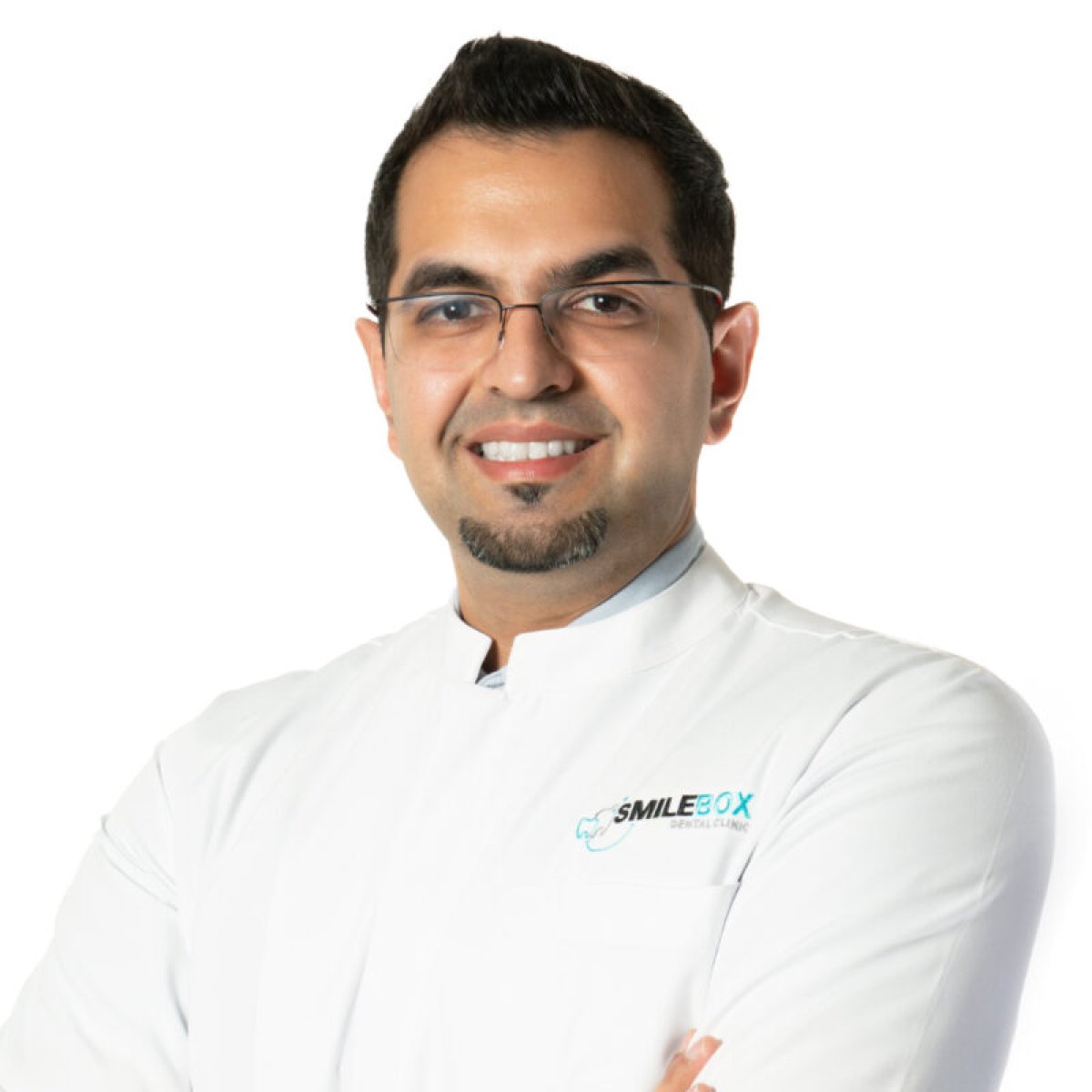
Dr. Suphachai Suphangul has performed 900+ All-on-4 procedures over his 35-year career. The typical package may cost around $12,000 and includes 4 premium Neodent implants, immediate dentures, and VIP transfers. An Associate Fellow of the American Academy of Implant Dentistry, he teaches at Mahidol University. The clinic is a Straumann certified provider with digital planning systems and SHA+ safety certification.
| treatment | |
|---|---|
| All-on-4 Dental Implants | $9,450 - $14,170 |
Intrarat Hospital
Intrarat Hospital offers All-on-4 Dental Implants with costs typically ranging around $6,200–$7,700. Dr. Pimpamon Piromruen, a prosthodontics and implant specialist, holds a Master of Science in Implant Dentistry from Mahidol University and additional training in Implantology and Oral Surgery from International Medical College, Germany, ensuring advanced expertise in full-arch restorations.
Dentist at home, Bangkok
Dentist at Home Bangkok is a private single-specialty dental center located in Pattaya, Thailand, specializing in dental treatment for adult patients only. The clinic is most frequently visited by patients from Asia.
Planning Your Medical Tourism Trip
A dental trip to Thailand starts with the consultation and treatment plan, then moves to the days in the chair. The buffer at the end comes from the flying rules. Clinics build the plan around the treatment itself, and patients tend to underbook the buffer.
The practical ground rules for the stay:
| Aspect | Details |
|---|---|
| Currency | Thai baht (THB). Cards work in most clinics and hotels; cash is easier at markets and in taxis. |
| Language | Thai is the official language. English is widely spoken in hospitals and international dental clinics, and translators are available on request. |
| Transportation | The BTS Skytrain, MRT metro, and taxis cover Bangkok, and ride-hailing apps such as Grab are common. Some dental packages include airport transfers. |
| Time zone | Indochina Time, GMT+7. Appointment slots are booked in local time. |
| Safety | Clinics work to documented infection-control protocols. Cover for unplanned medical care during the trip is a separate arrangement from the treatment itself. |
| Cultural notes | A wai, hands pressed together, is the standard greeting. Temples expect covered shoulders and knees. Tipping is optional and small. |
| Emergencies | The Tourist Police line for English-language assistance is 1155. The medical emergency number is 1669. |

How the dentist check works
The Dental Council of Thailand licenses every dentist practicing in the country. The clinic supplies the named dentist’s license details with the treatment plan. The clinic side of the check is on the Thailand dentists listing. Each profile there shows the clinic, the specialization, and the certificates that dentist holds.
Visa and entry
Most Western passport holders enter Thailand without a visa. The exemption currently runs up to 60 days per entry. The Cabinet has approved cutting that to 30 days for a shorter list of countries. It takes effect once the Royal Gazette publishes the change. Patients whose treatment needs a longer or repeated stay apply for the Medical Treatment Visa. It is issued for a course of treatment and still caps each single entry at 60 days.
| Step | Details |
|---|---|
| Application | Through a Royal Thai Embassy or consulate |
| Documents | Proof of the clinic appointment, travel details, financial statement |
| Stay per entry | Up to 60 days, on the visa exemption and on the medical treatment visa alike |
Multi-visit treatment and shared care
Orthodontic work does not fit into one trip. Braces and aligners need adjustments every four to six weeks across 12 to 24 months. No clinic can make those remotely. The working model is shared care. The Thai clinic handles the 3D diagnostics, the treatment plan, the bonding, and later the debonding and retainer fitting. An orthodontist in the patient’s home country makes the routine adjustments in between. That second dentist is arranged before travel. The Thai plan is written around who carries the middle of the treatment.
Follow-up and repairs at home
Work done abroad is easier to service at home when the paperwork travels with it. A home dentist needs the treatment record and the panoramic or CT images. The exact implant system, abutment, and crown material matter too. With those, the components are ordered to match instead of the work being removed. Clinics issue those details at discharge, and they are the difference between a routine adjustment and a full redo.
Best time to visit Thailand for dental care
The season shapes comfort during recovery more than it changes the treatment. Thai weather runs from dry sunshine to daily rain across the year.
| Season | Months | Weather | Best for |
|---|---|---|---|
| Cool | Nov – Feb | Pleasant, around 25°C | Comfortable recovery |
| Hot | Mar – May | Up to 35°C | Short treatments |
| Rainy | Jun – Oct | Humid, frequent rain | Wider appointment availability |
Most patients travel in the cool season. The rainy months usually carry wider appointment availability, which matters for a plan needing several visits inside one trip.
Insurance and Financing Options in Thailand
Most dental work patients travel for is elective. Elective treatment abroad is where standard policies usually stop.
Domestic health and dental plans usually exclude treatment planned at a foreign facility. Standard travel medical policies generally exclude complications of elective surgery. Travel dental cover does exist. It is written for unplanned emergencies during the trip, such as sudden pain or an accidental injury. It does not fund restorative work or the revision of it. Policy wording is the only reliable answer, since exclusions differ by insurer and by country of residence.
Insurers that write international health and travel medical policies include Allianz Care and AXA. Neither one covers planned dental treatment abroad by default, so the wording of the specific policy is what decides.
Bookimed does not sell, arrange, or handle insurance, and no coordinator does. A patient who wants cover may budget separately for a short-term medical-travel or complication policy bought at home before departure.
Paying for treatment
Financing is the patient’s own arrangement, and these are the routes patients use most:
| Option | How it works |
|---|---|
| Clinic installments | Some private dental clinics split a treatment plan into staged payments, arranged directly with the clinic’s finance desk. |
| Medical loans | Healthcare loans from a bank or a specialist lender such as LendingTree, applied for before travel. |
| Paying upfront | Clinics sometimes price a full-payment plan below the staged one, which is a question for the quote. |
| Crowdfunding | Platforms such as GoFundMe are used for larger cases such as full-arch restoration, on the patient’s timeline rather than the clinic’s. |
| Card promotions | Interest-free promotional periods on a credit card, subject to the card issuer’s terms. |
None of this changes Thailand’s position on price. A single implant still starts at $700 there, against $3,200 in the United States.
- Technique: Smile makeover
- Maryam Fazeli specializes in aesthetic smile design and Hollywood smile applications, focusing on advanced prosthetic treatments.
- Nifa Dent International serves 562 patients annually, attracting individuals from Europe, the Commonwealth, the Balkans, and CIS countries.
- Included Services: Panoramic X-ray
- Stay Info: 5 days stay in the hospital room; hotel accommodation is not included in the price.
- Veneer type: 20 ceramic veneers
- Ariana Rey is a medical director specializing in smile makeovers using advanced CAD/CAM technology.
- Punta cana dentist odontologia familiar is led by a director focused on comprehensive oral rehabilitation and esthetic restoration.
- Included Services: Digital smile design, 4-star hotel, transfer airport-hotel-clinic-airport
- Stay Info: 8 days in a 4-star hotel included in the price.
- Veneer type: 16 E-max veneers (German brand)
- Imad Alboshe has achieved a documented 98% patient satisfaction rate in aesthetic restorations and veneers.
- SUAVE DENTAL CLINIC reports a 99% success rate for veneers and treats over 1,500 international patients annually.
- Included Services: 3D dental scan, local anesthesia, follow-up examination, panoramic X-ray, language assistance, consultation with a dentist, 4-star hotel, VIP transfer (all transfers between airport, hotel, and clinic)
- Stay Info: 8 nights in a 4-star hotel included in the price; 7 days stay in the country required.
- Technique: The Signature Smile Transformation Program
- Igli Mecuku completed postgraduate doctoral research on reinforced membranes for alveolar bone defects in dental implantation.
- Unident Clinic welcomes approximately 3,000 patients annually, primarily from CIS countries, Europe, and the Balkans.
- Included Services: Local anesthesia, transfer airport-clinic-airport.
- Stay Info: 9 days hotel stay in the country, accommodation is not included in the price.
- Dr. Boglárka Boross has international professional experience in England and the Netherlands in cosmetic dentistry and prosthodontics.
- Rosental Dental holds a 4.9-star Google rating based on over 120 patient reviews, reflecting high patient satisfaction.
- Included Services: Consultation with a dentist, panoramic X-ray, local anesthesia, professional oral hygiene, professional teeth whitening, crown(s), temporary dental prosthesis, mouthguard, apartments, transfer airport-clinic-airport.
- Stay Info: 5 days stay in included apartments; hotel accommodation is part of the package price.
Frequently Asked Questions
These are the questions that decide a Thai dental trip. What it costs, how the safety checks work, how long to stay, and what happens once the patient is home.
How much can I save on dental work in Thailand?
Nearly 80% on a single implant. It is $700–$1,300 in Thailand against $3,200–$5,800 in the US, and a full arch is $6,000–$10,000 against $25,000–$35,000.
Is dental work in Thailand safe?
Yes, under national licensing. The Dental Council of Thailand licenses every dentist, and clinics treating international patients add JCI or ISO 9001.
How long should I stay for implants or All-on-4?
The treatment days plus a buffer. Flying is allowed 72 hours after implant placement, and two weeks after a sinus lift.
Can my home dentist service work done in Thailand?
Usually yes, if the paperwork travels with you. A home dentist needs the treatment record, the imaging, and the exact implant system used.
Do I need special insurance for treatment in Thailand?
No, and standard policies rarely help. Domestic and travel plans exclude planned dental work abroad, so the policy wording decides.
Which Thai city suits which patient?
Bangkok for complex cases, Phuket for short courses with a beach recovery, and Chiang Mai for the quietest stay.
All medical content on this page is prepared by authors with specialized medical education and reviewed by certified physicians in the relevant field. Medical review by Fahad Mawlood, Medical Editor & Data Scientist.
Last updated: August, 2026.
- Statistics: Figures are based on Bookimed’s internal database August 2026, which includes analysis of 12,450 patient requests across accredited clinics in .
- Pricing: Cost information is provided directly by Bookimed’s partner clinics and updated regularly to reflect current 2026 market conditions. Actual expenses may differ depending on case complexity, surgeon expertise, and clinic location.
- Clinical Data: Treatment outcomes and patient satisfaction figures are collected from Bookimed’s verified clinic database and supported by data from peer-reviewed medical sources such as PubMed, The Lancet, JAMA, and NEJM (2023–2026).
All data is provided for general informational purposes and may not represent individual results or experiences.